«Discoteca Analitica» at Fri Art Kunsthalle
, March 9 until April 7, 2019
Artists
Angela Bulloch, Anna and Lawrence Halprin, Archizoom Associati, Carolee Schneemann, Catherine Christer Hennix, Cerith Wyn Evans, Creamcheese, Derek Jarman, Edmund Alleyn, Electric Circus, Evenstructure Research Group, François Dallegret, Gerd Stern, Jacqueline de Jong, John Brockman, John Maybury, Judy Chicago, Léa Lublin, Marie Matusz, Michael Kostiff, Morag Keil, Nicolas Schöffer, Paul Ryan, Pauline Oliveros, Piper Club, PULSA, Ramon Sender, Sensorium, Thomas Julier, Timothy Leary, Tobias Madison, Tony Martin, Udo Breger, USCO, Vidya Gastaldon, Walter Pichler, William S. Burroughs, Willoughby Sharp, Ye Xe
Institution
Location
Download
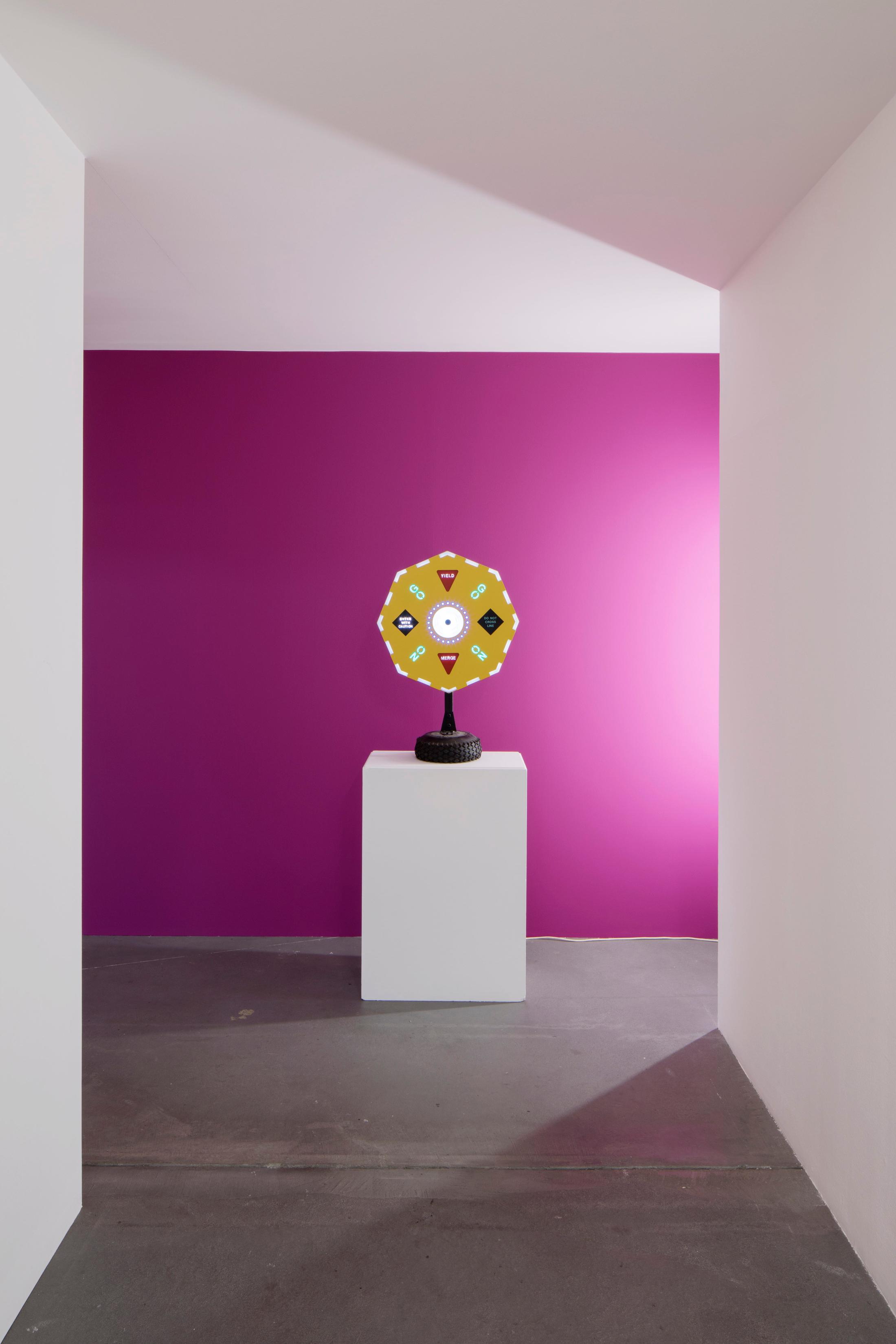
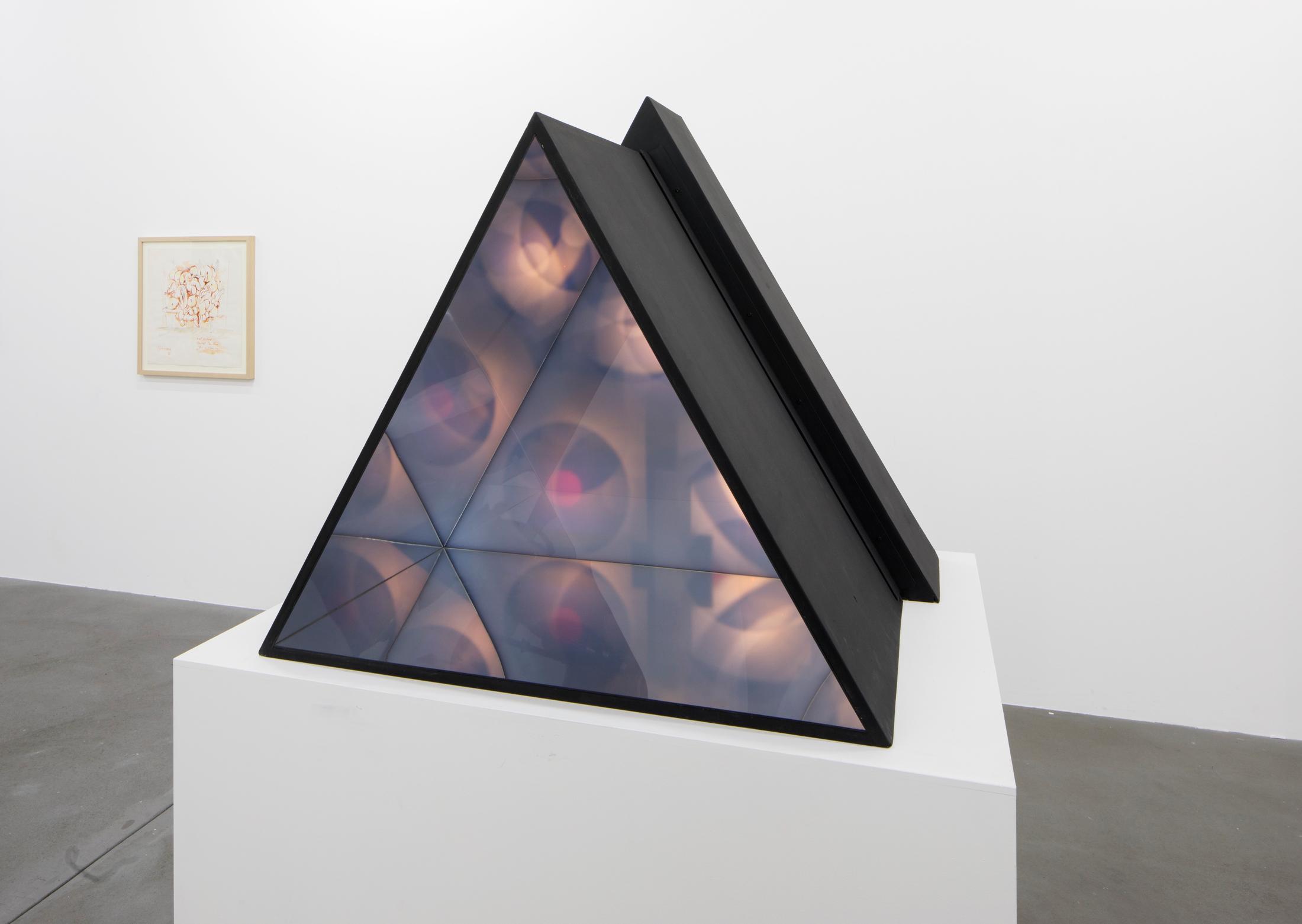
Discoteca Analitica reassesses the emergence of multimedia experiments in the Sixties based on the range of early varieties of discotheque. The exhibition offers an immersive experience bringing together Californian counter-culture, pop and psychedelic movements, and pioneers of radical Italian architecture. It is based on unpublished archives and original works. They reveal how music, ecstasy and collective experience, at the heart of these artists’ concerns, have preempted our contemporary digital culture.
Introduction
In the 1960s, as the development of electronics that would lead to our digital present got underway, artists imagined immersive architectures that incorporated the media of the time. They built all-encompassing spaces in which all the senses were intensely stimulated in order to capture one’s entire attention. In fact these spaces were the response to the fantasy of ‘total artwork’ (Gesamtkunstwerk) for a new electronic age, whose advent they could make out on the horizon.
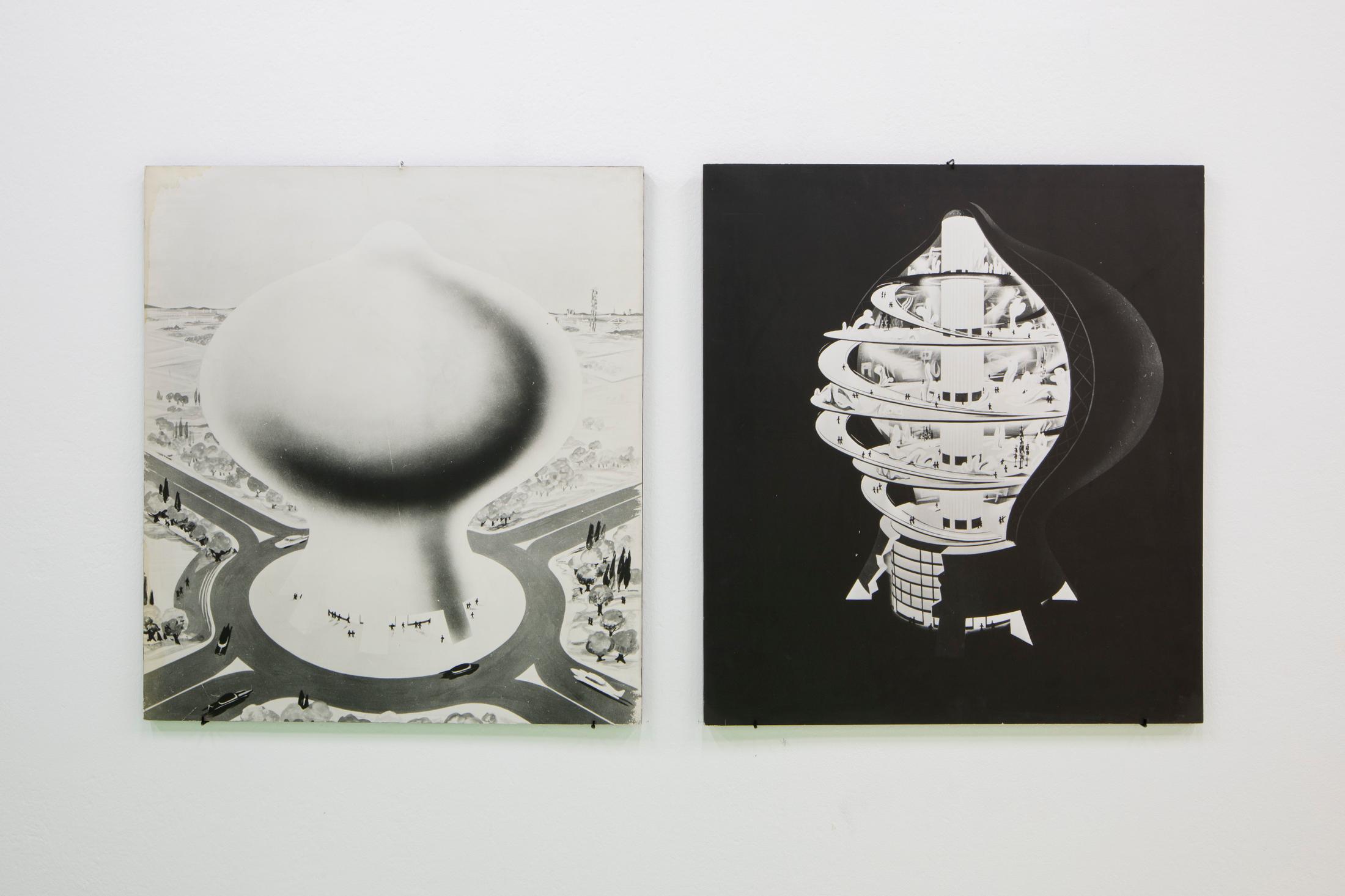
From archival documents, historical objects and contemporary works, Discoteca Analitica recounts a whole range of interwoven stories: the Californian counter-culture which gave rise to psychedelic art, USCO, Anna and Lawrence Halprin’s The Halprin Workshops in which art and therapy merge, Steward Brand’s immersive environment inspired by so-called primitive cultures, kinetic artist Nicolas Schöffer’s machines and the leisure space projects from radical architects Archizoom and Cedric Price.
Architecture of the exhibition
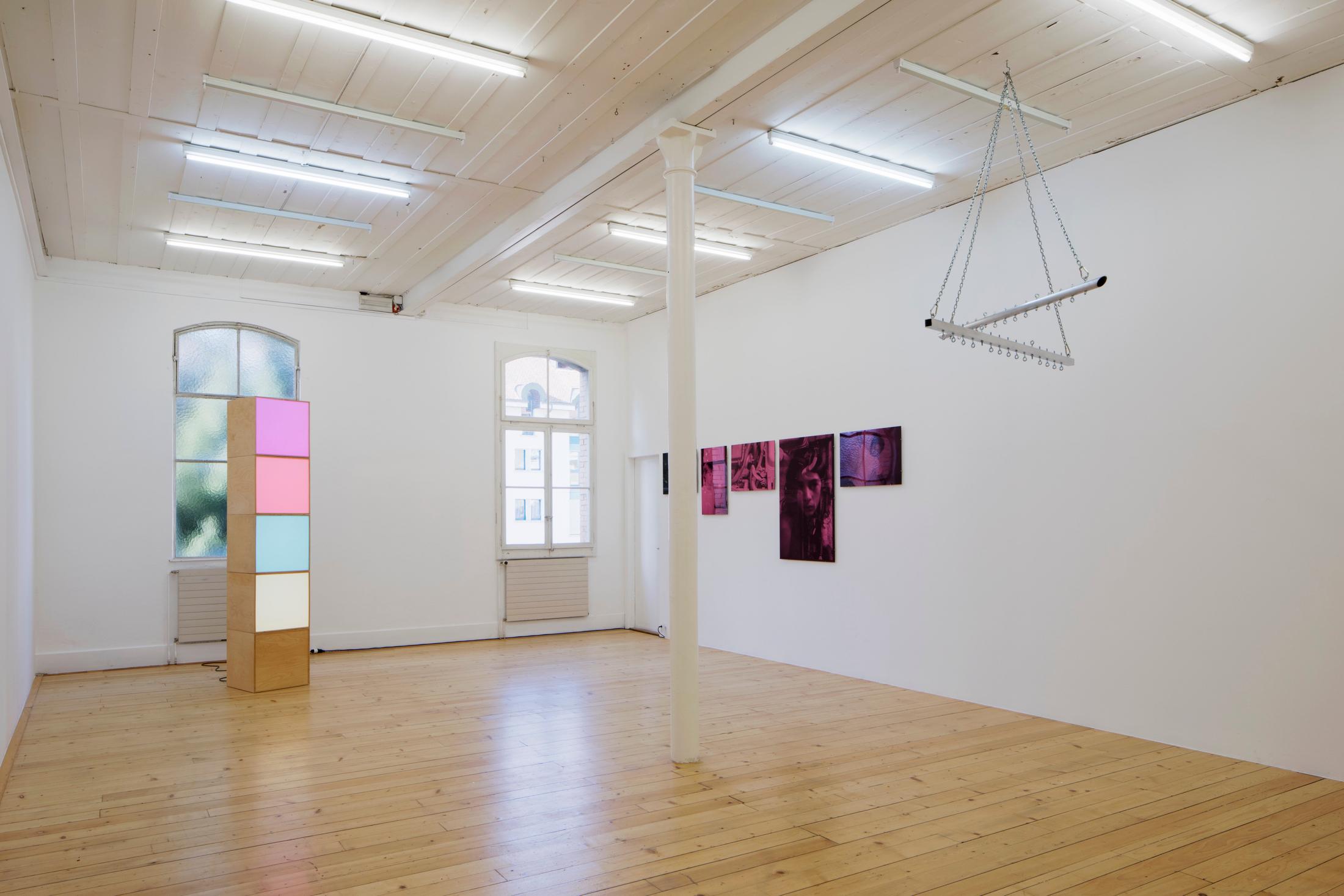
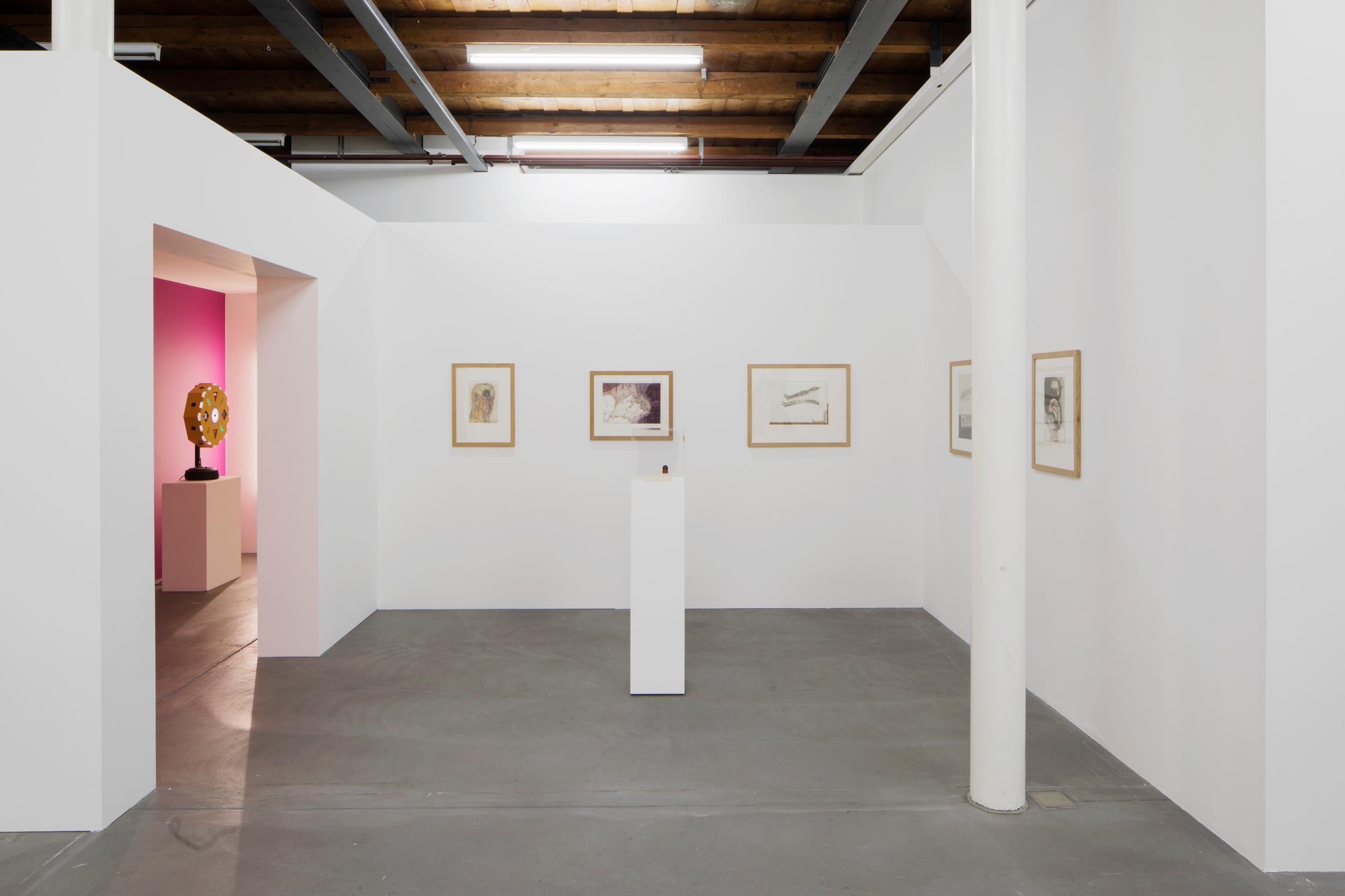
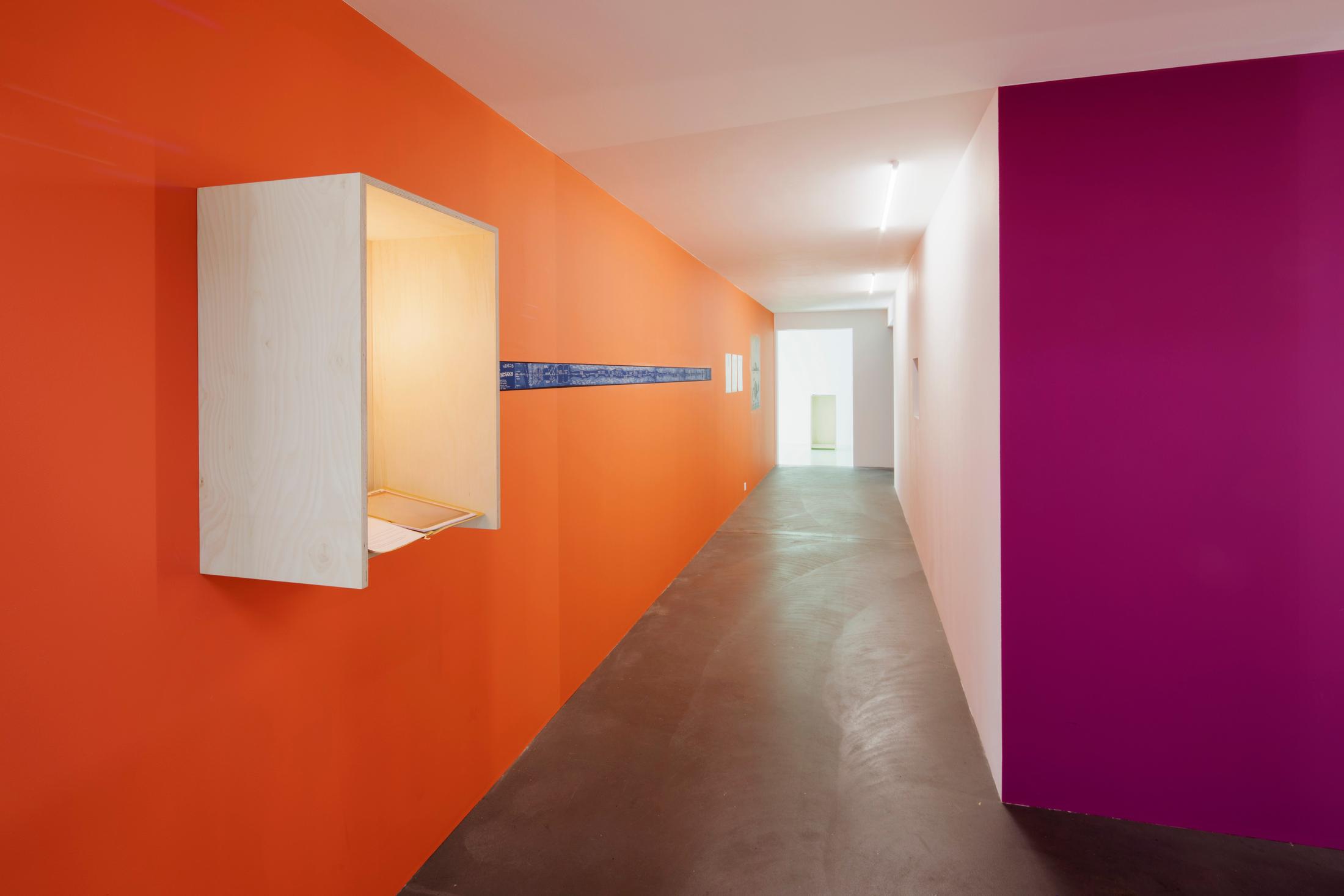
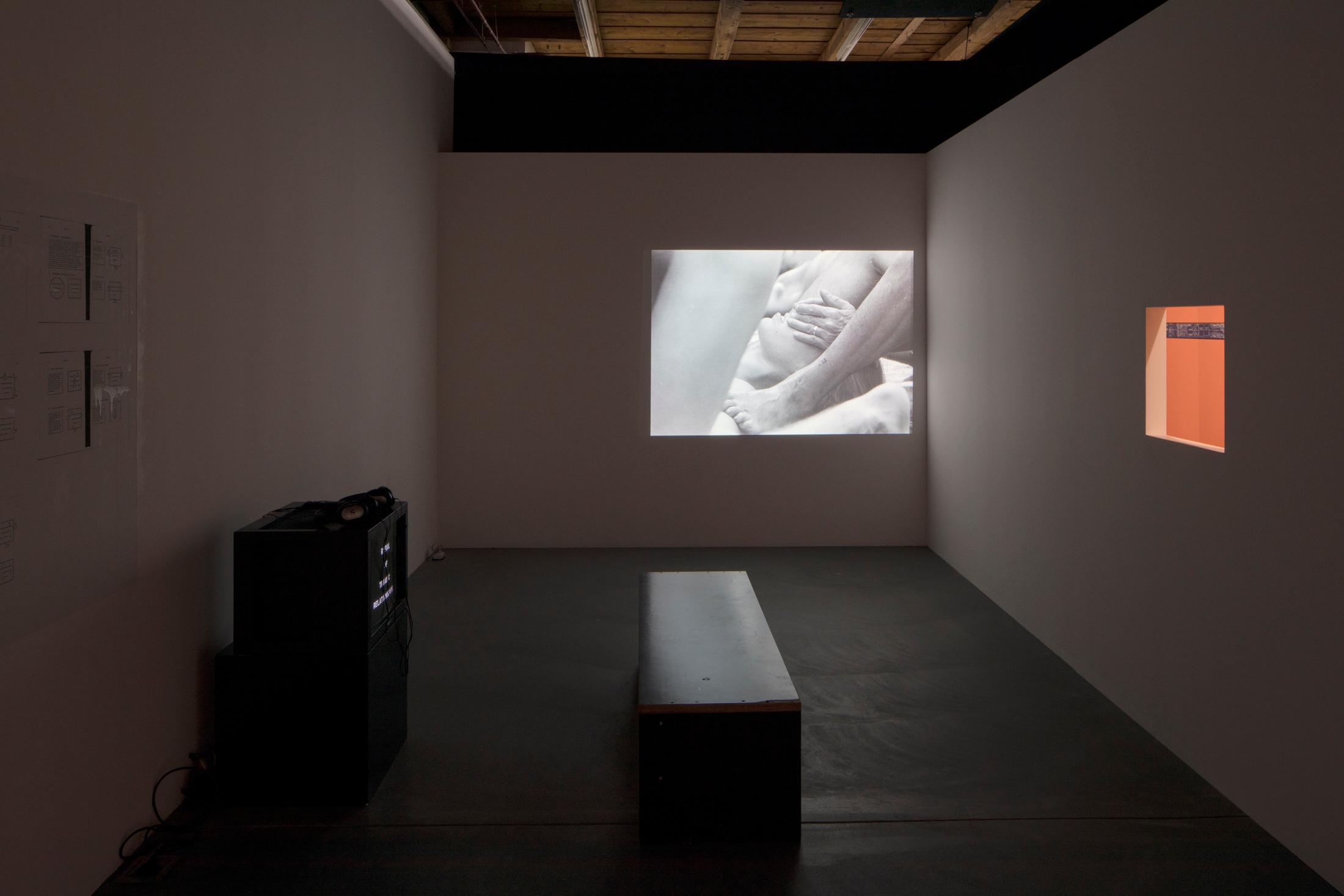
The exhibition is conceived as the encounter between two opposing spaces, two ways of allocating attention, stimulating our senses. The white cube, in which the visitor experiences a succession of works of art, merges with the saturated space of the discotheque delivering us into a sort of ecstasy. Discoteca Analitica is a place where the intellectual and the sensual merge, but also where the interactive past meets the digital present. There is a common matrix, a common obsession to these dialogues. This obsession is contact, whether it be electric, or come from the senses.
The Archive Labyrinth
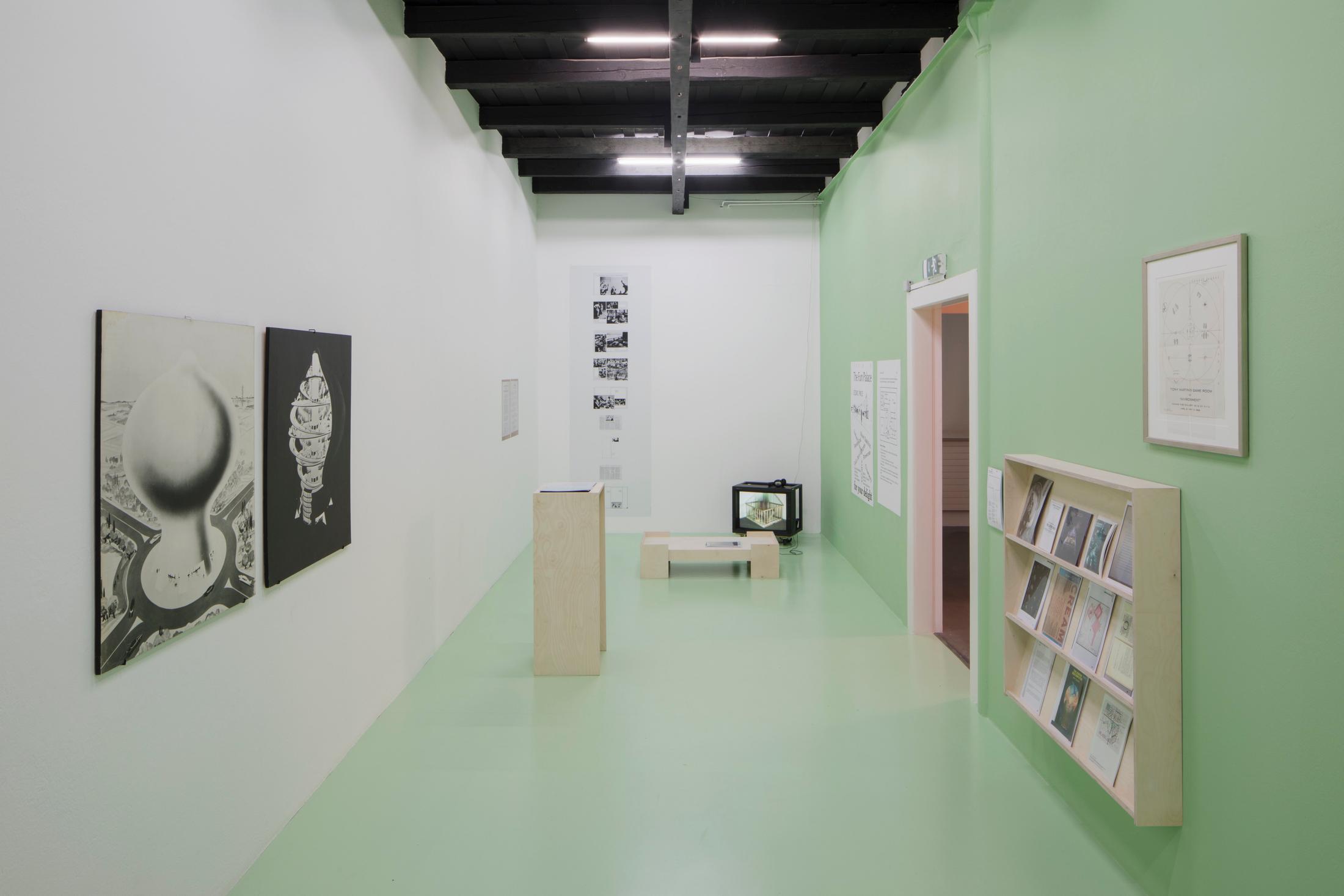
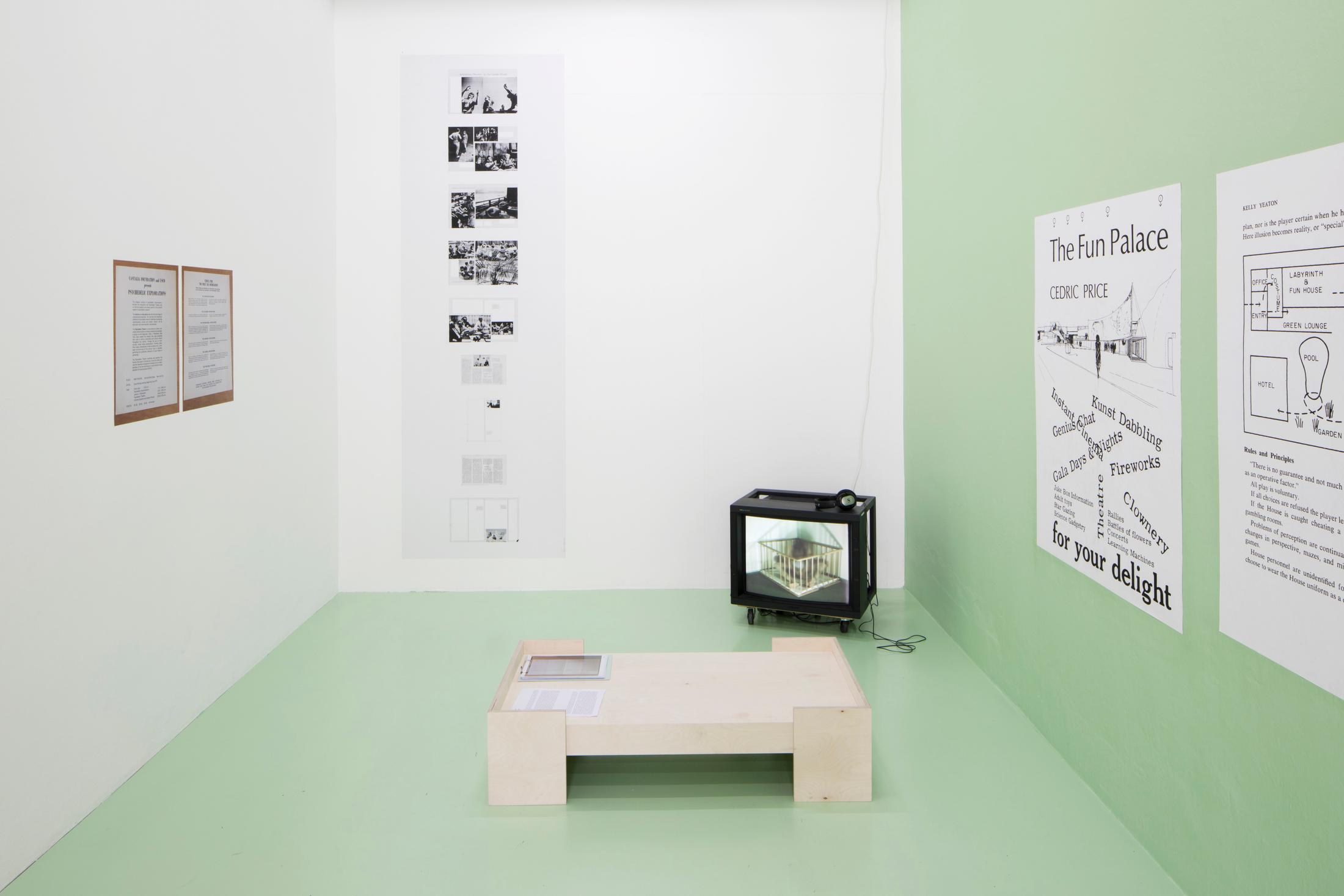
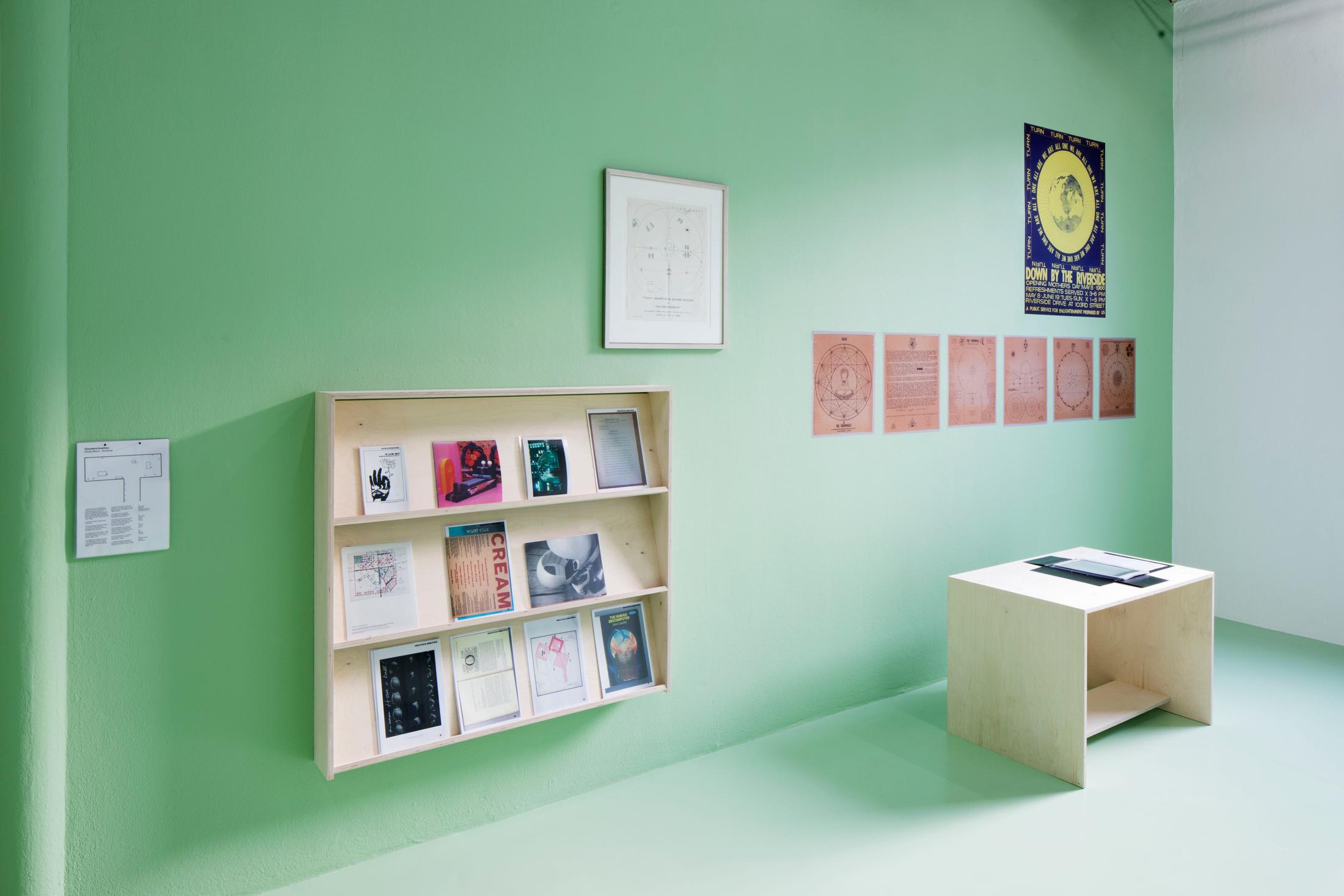
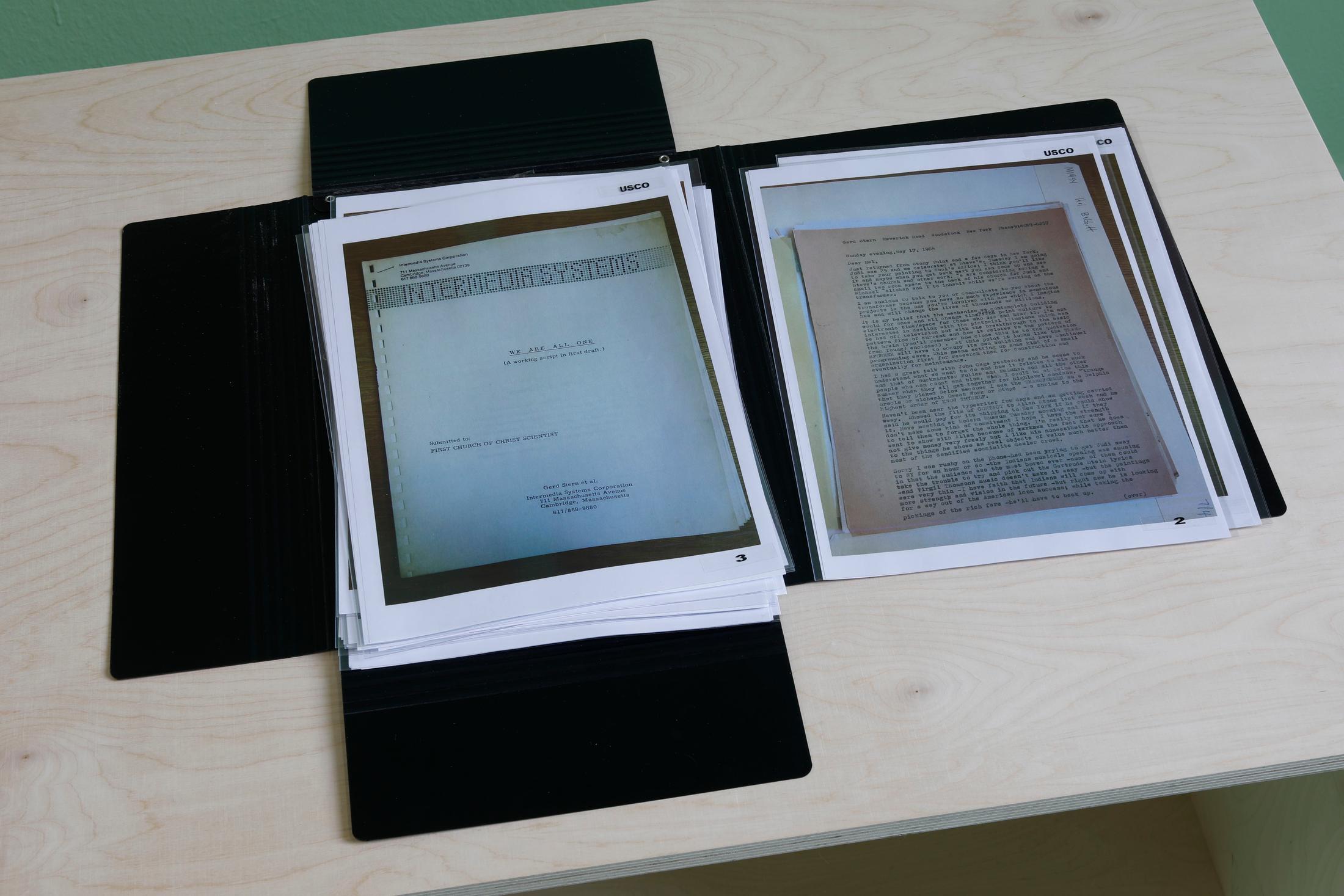
The obsession for the document is an obsession for the Real. In this house of documents, Workshop 10 Myths from Anna Halprin, who creates works bringing amateur and professional dancers together, the USCO Solux community project and the Esalen Institute seminars constitute a foundation from which a new psychology of personal development, a culture of the self emerges. The labyrinth and the study hall were brought together with the help of artist Thomas Julier. He conceived of these spaces as if he were an artist from whom we had ordered not a discotheque, but a discotheque archive. This intervention evokes the architecture of a Renaissance convent.
Fragments of attention-grabbing Gadgets
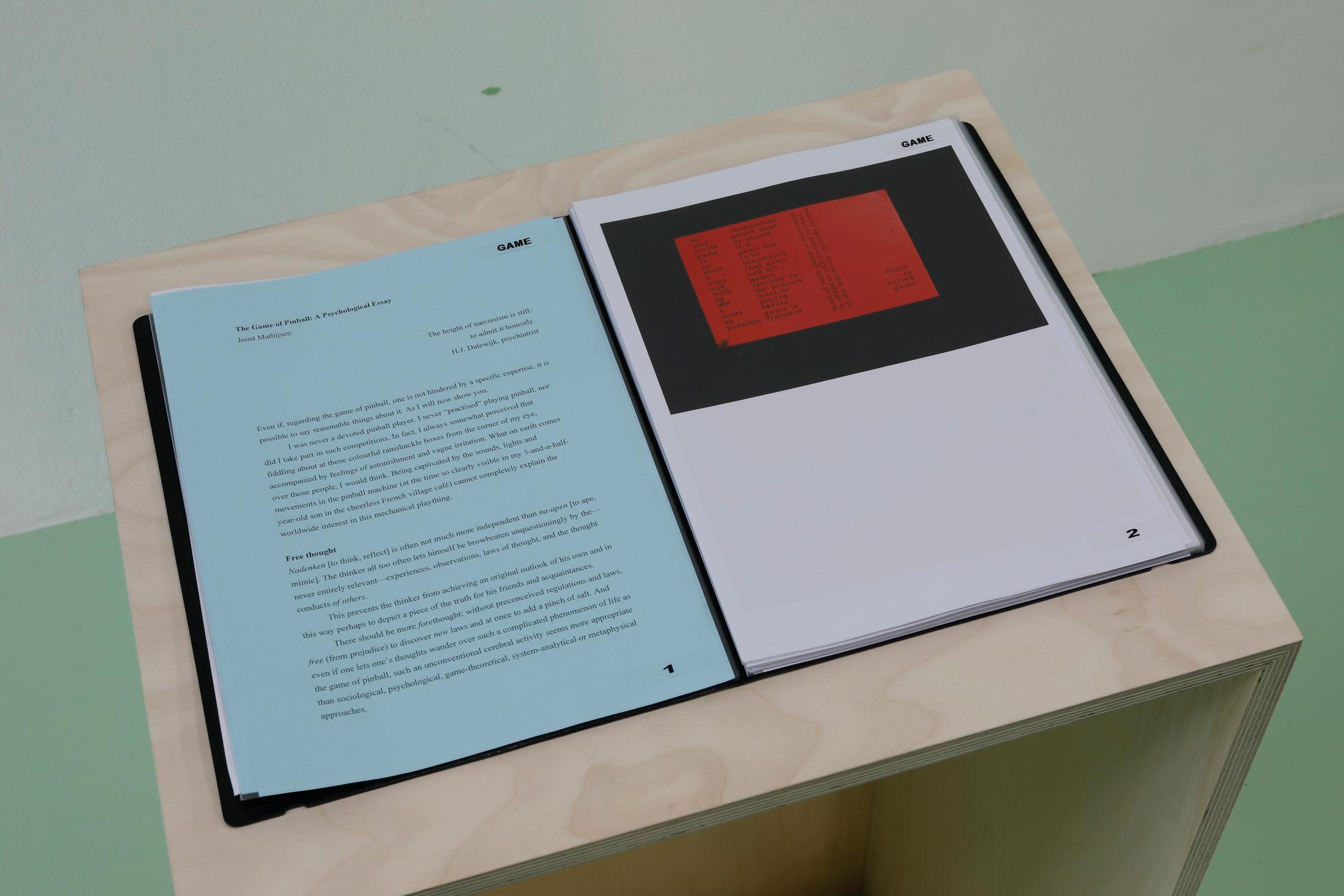
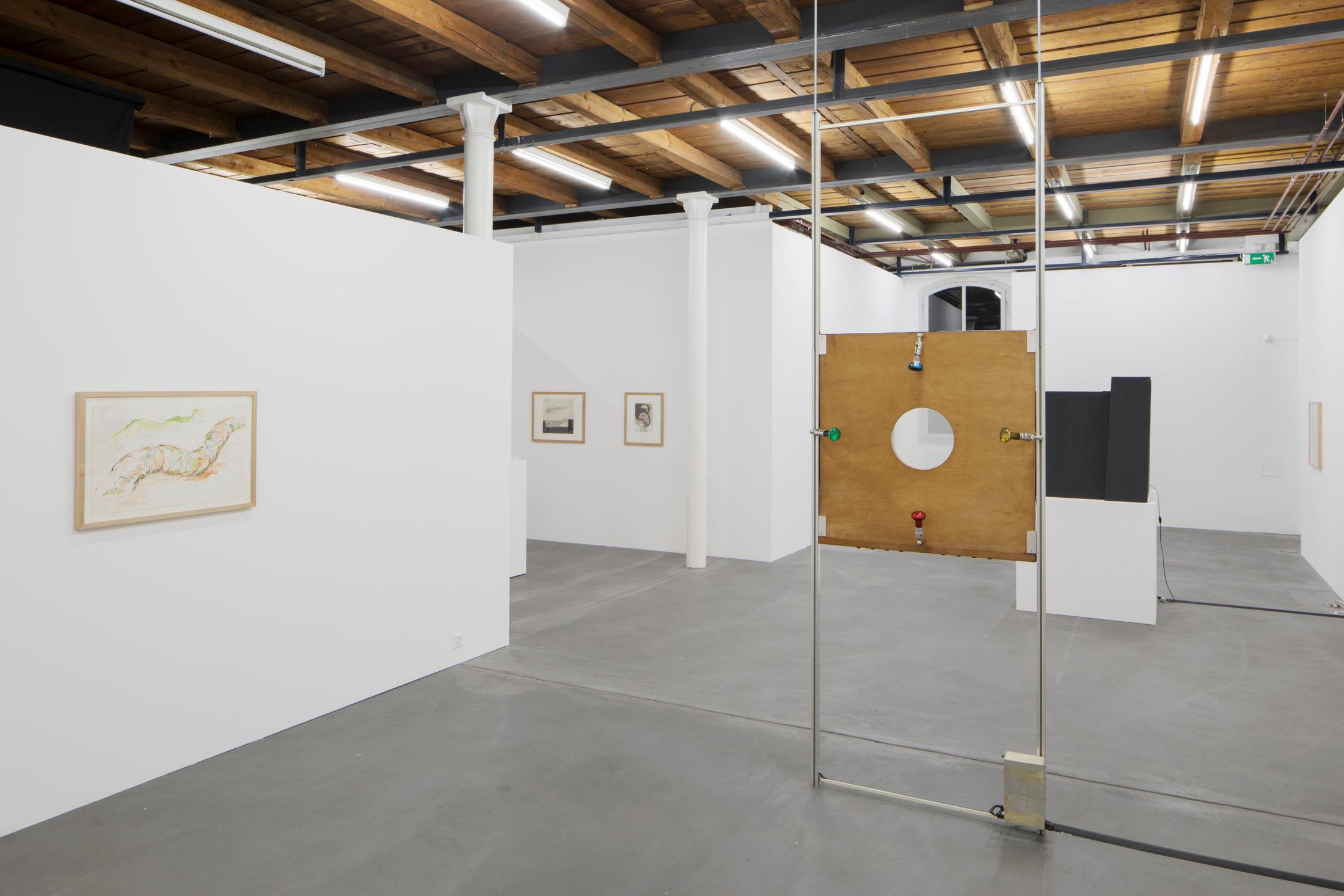
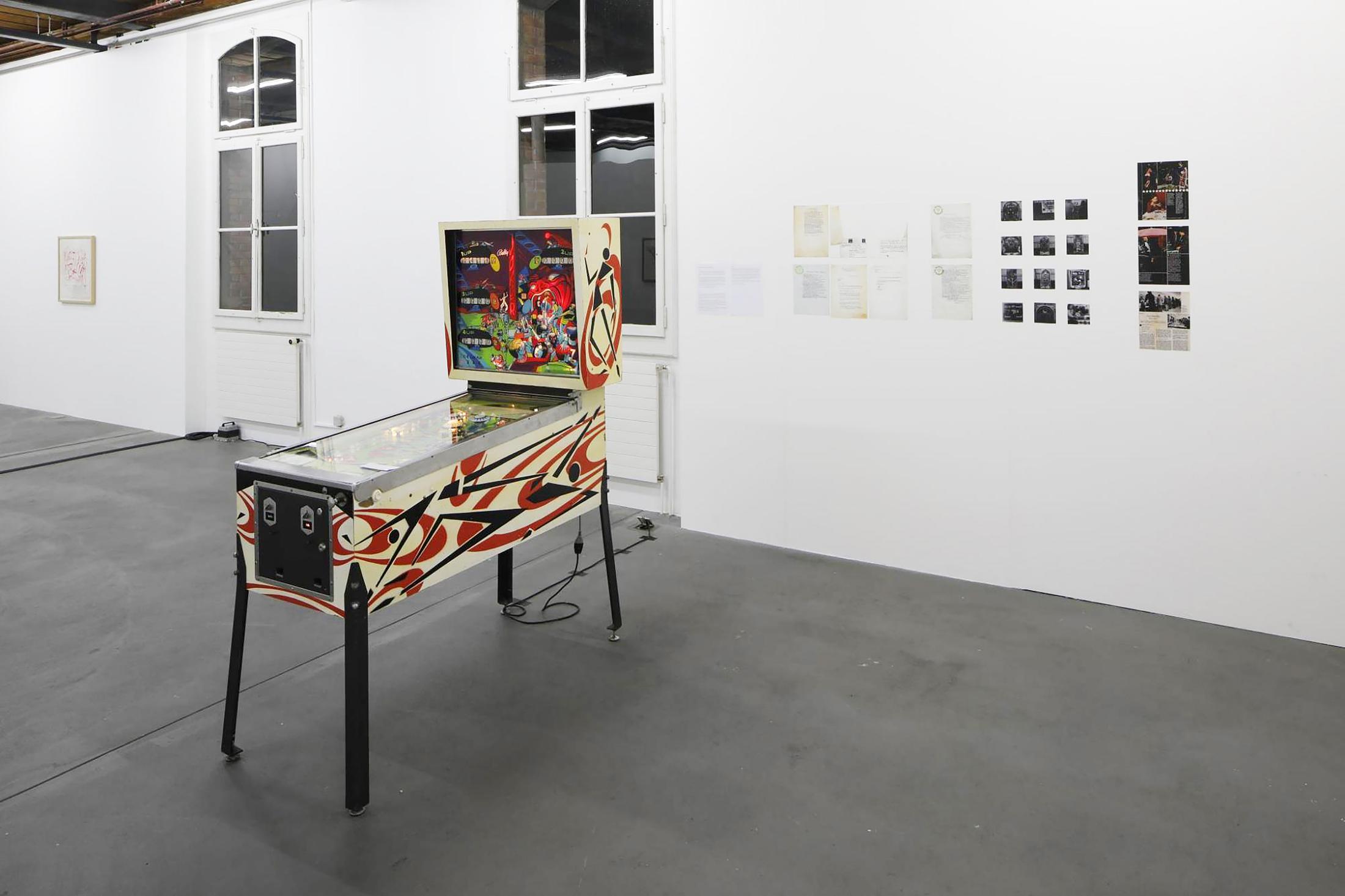
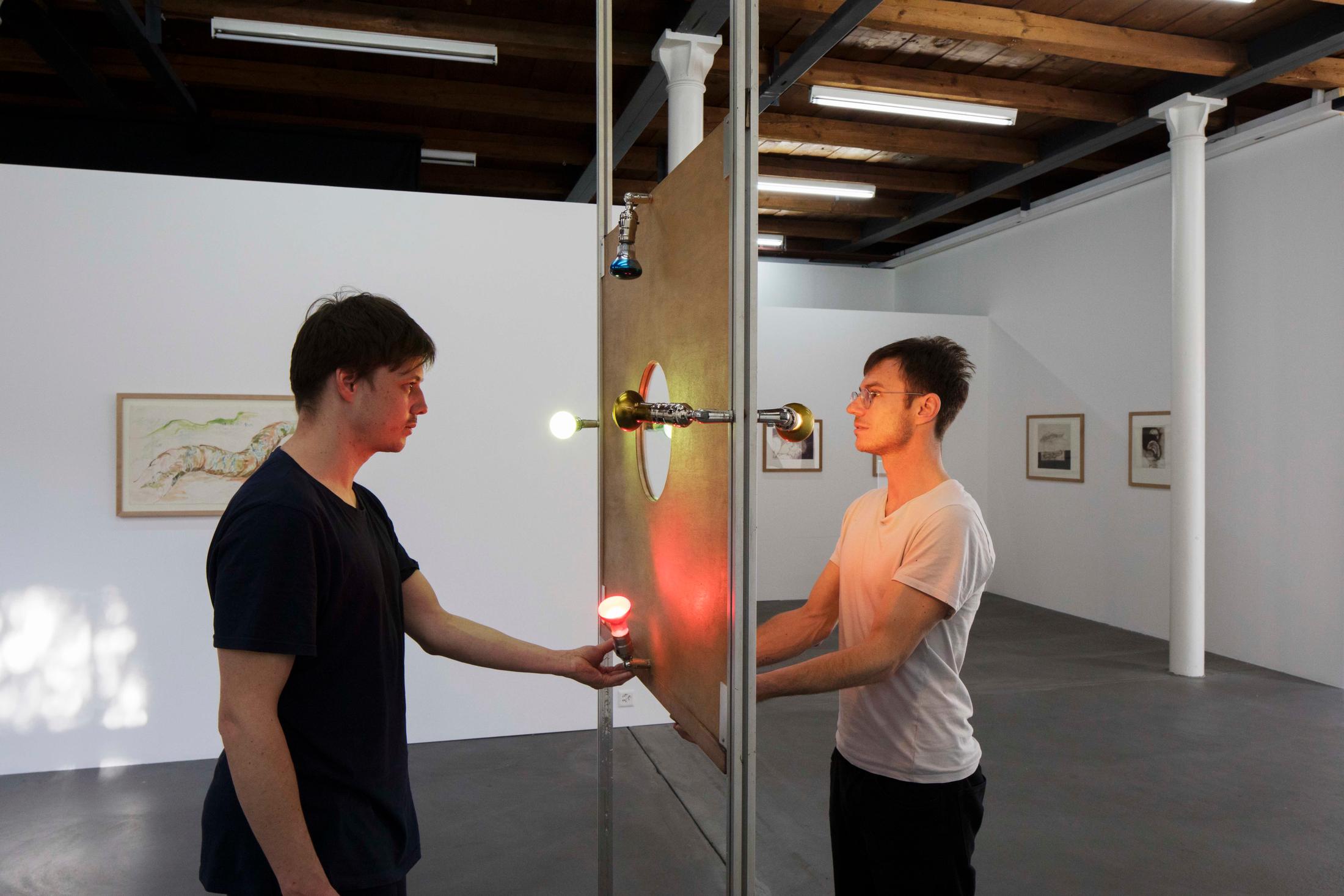
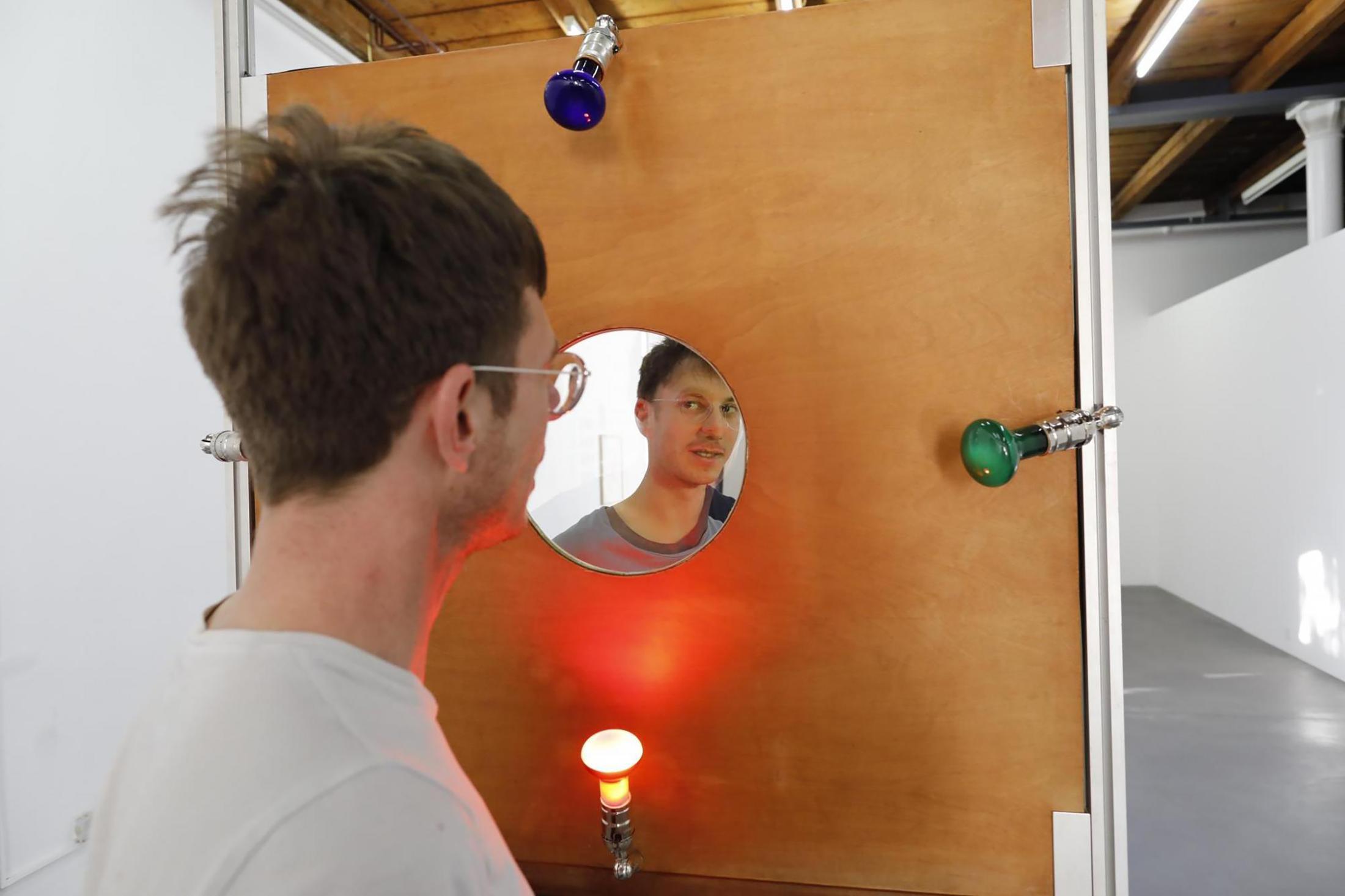
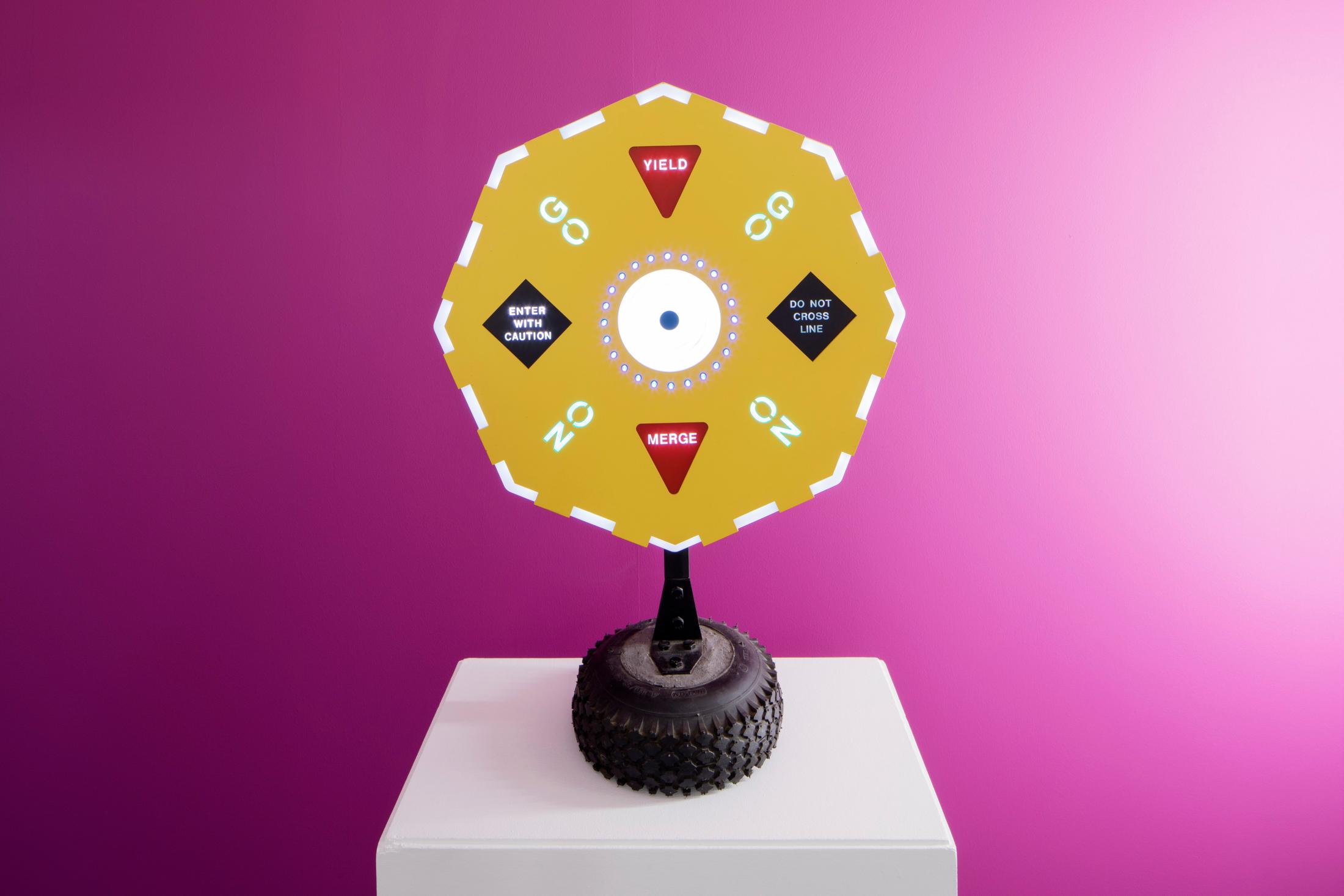
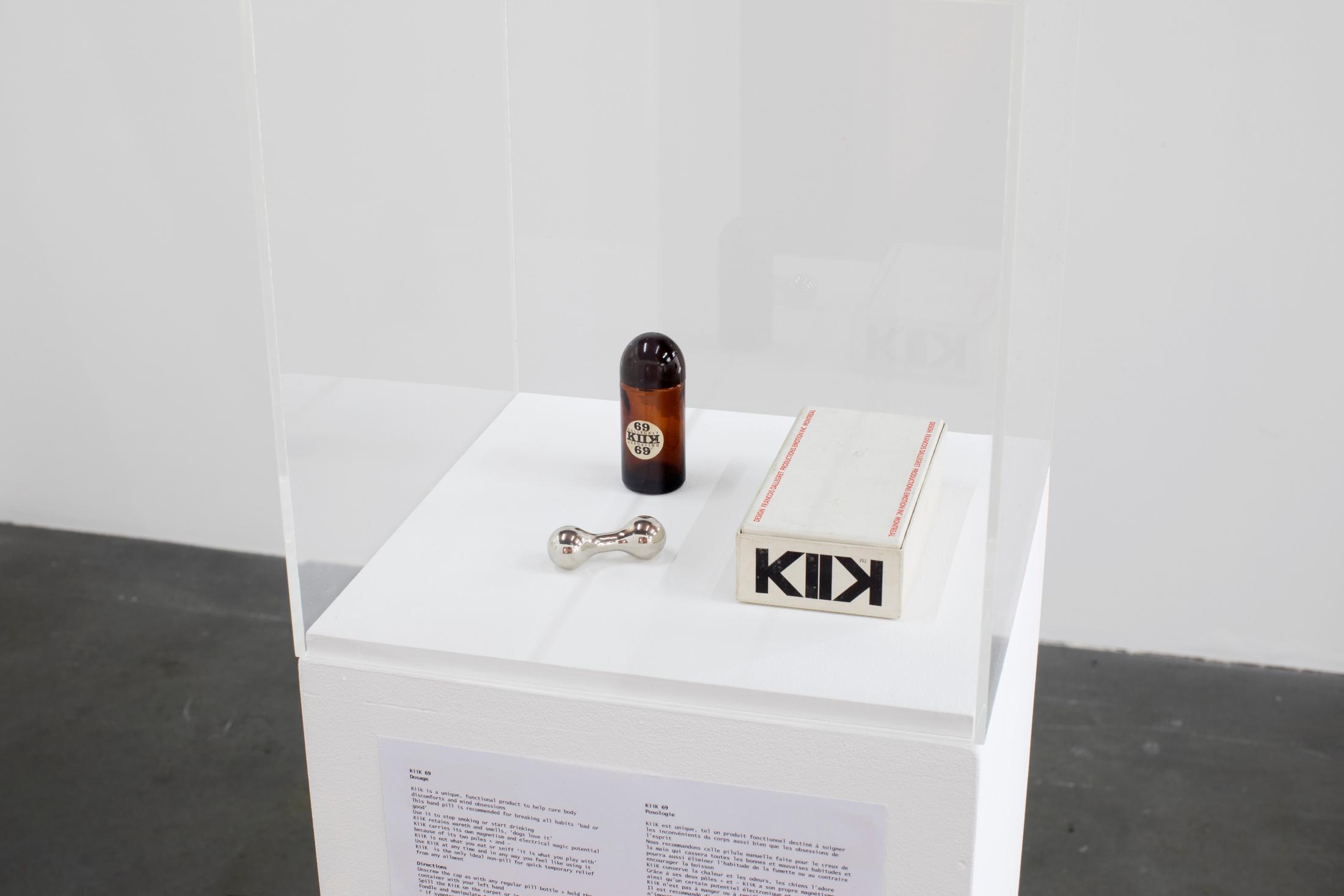
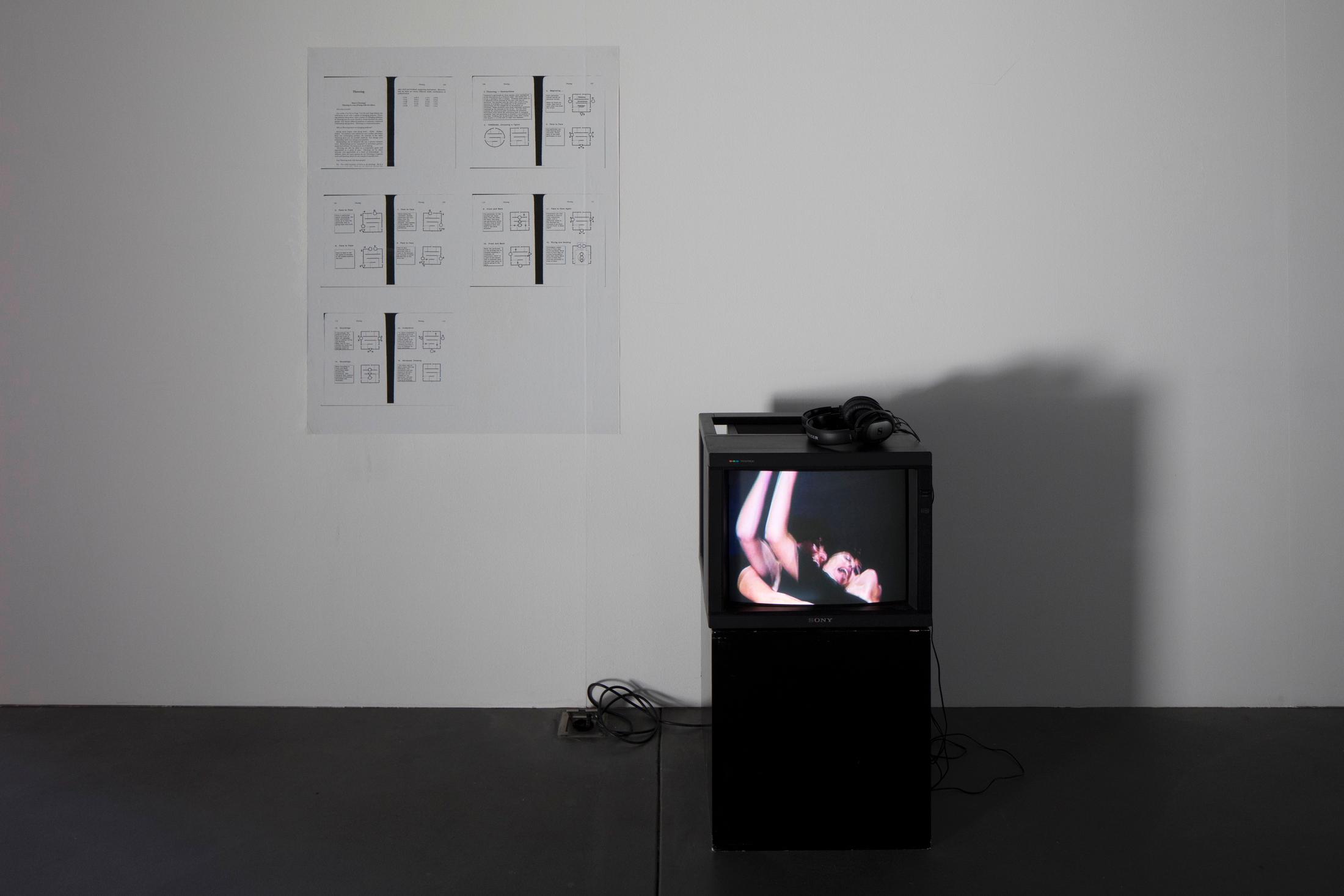
In a large open room, you discover fragments of the premises of an interactive culture, a museum game room, where interaction is simultaneously permitted and withheld. As part of the series of interactive objects, a work by Tony Martin offers two people the opportunity to have their faces brought together in a constellation of light and reflections. Not far away, a pinball machine testifies to situationist artist Jacqueline de Jong’s both critical and fascinated love of the game. Surrounding these apparatus’, the drawings of artist Carolee Schneemann resexualise the excessive ambitions of multimedia artists and their machines of control, blowing holes in the logic of the way they work.
Synthetic Perversion
You have retraced your steps. While making your way through the exhibition, you experienced the intuition that contact and ecstasy create. In the basement, you visit a fourth room to which you now hold the key: our desirous relationship to automata is inhabited by perversion. This perversion is the equal of the emotion created by beauty. The construction of sensations is inhabited by something that lies beyond the history of technology and gender issues. Like the exhibition, contact served as the substitute for something else, something that cannot get in.
Symbolic Height
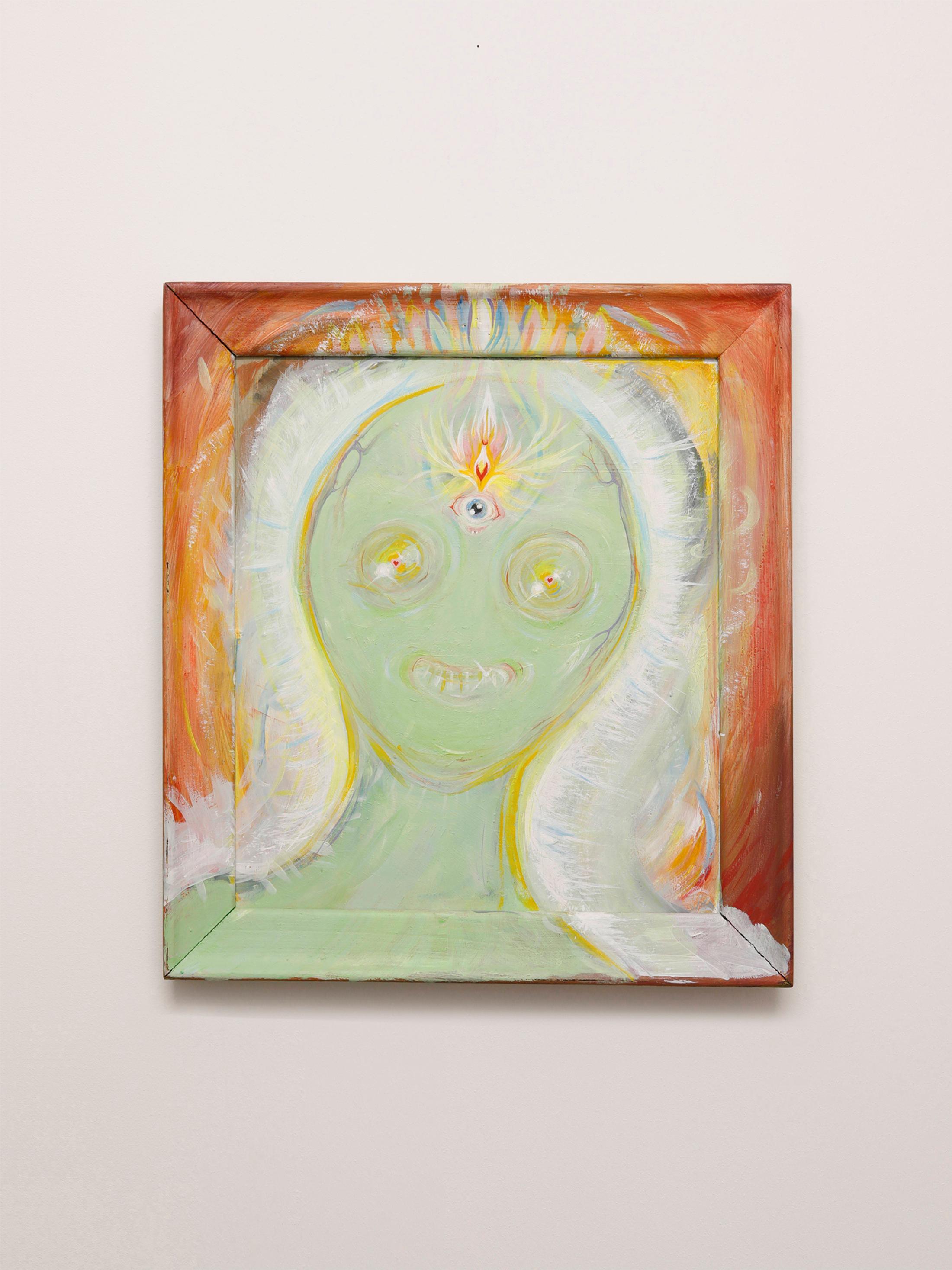
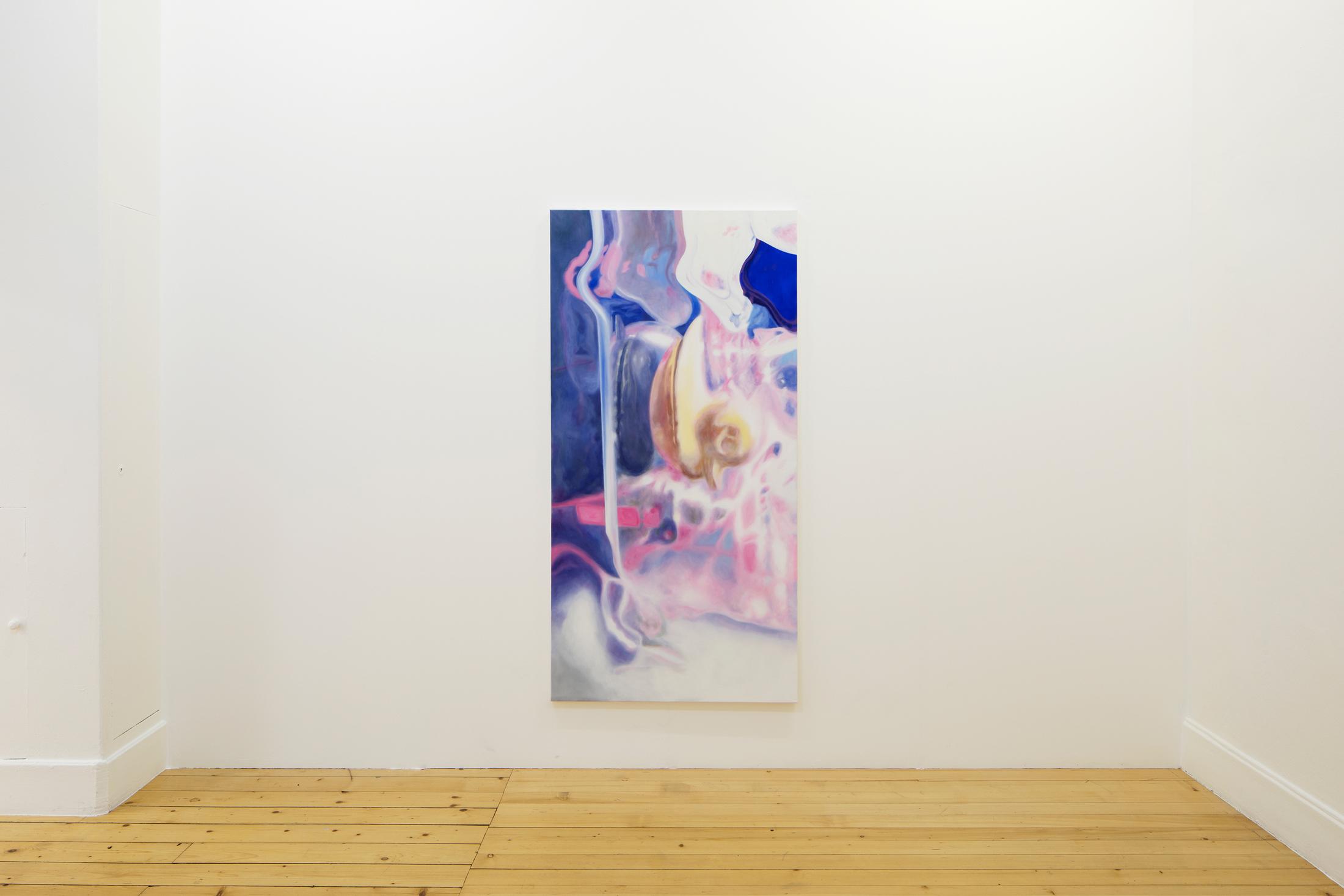
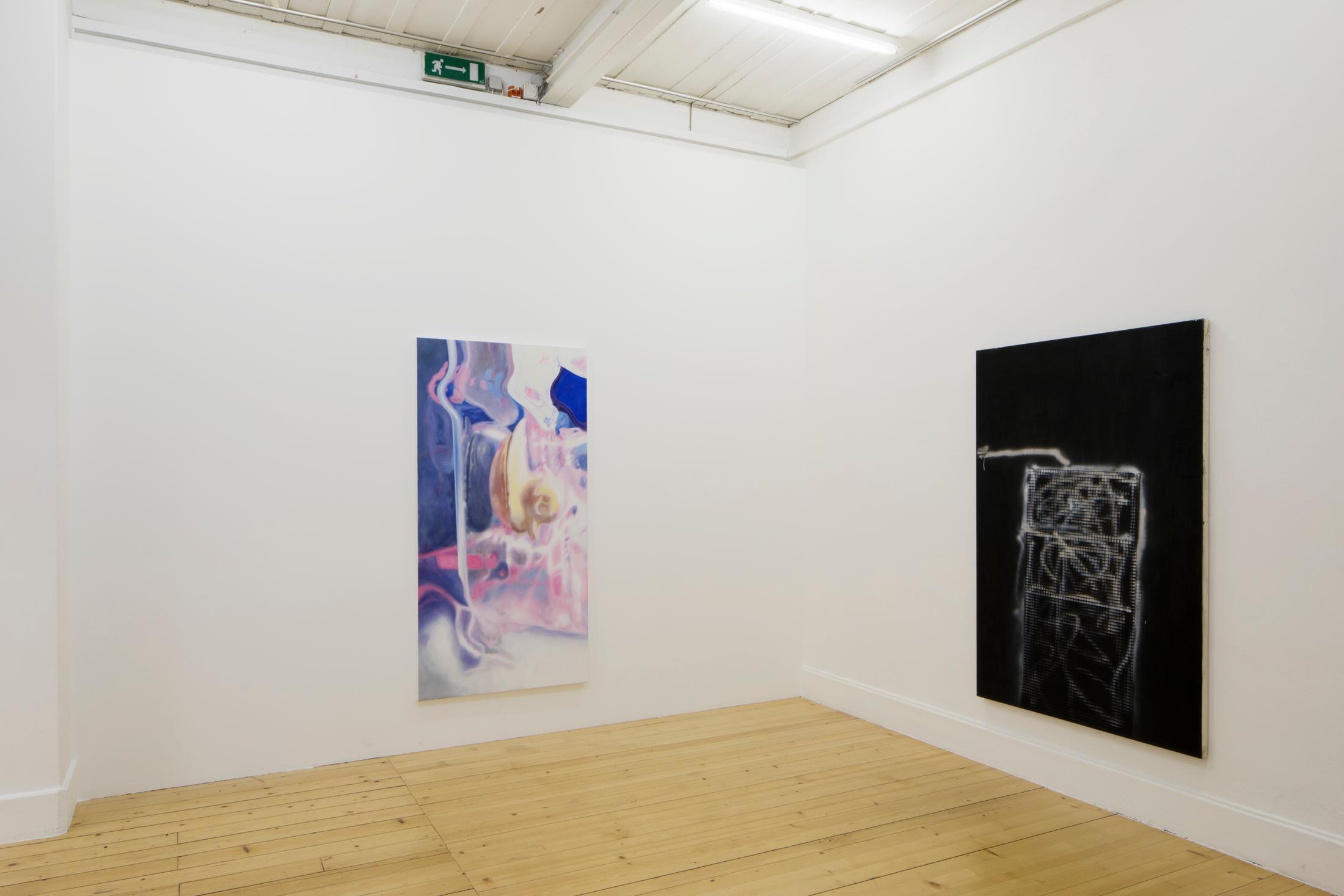
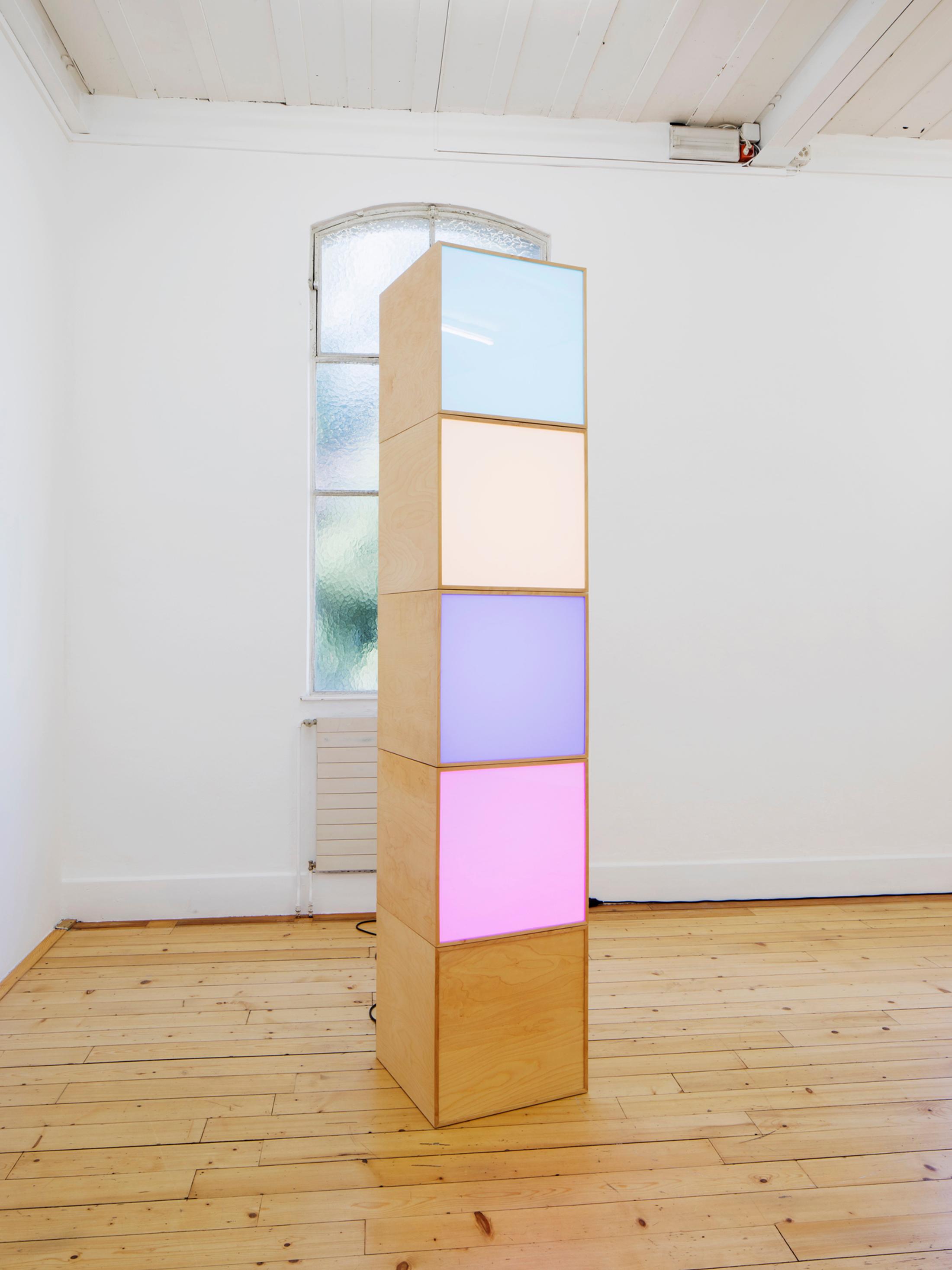
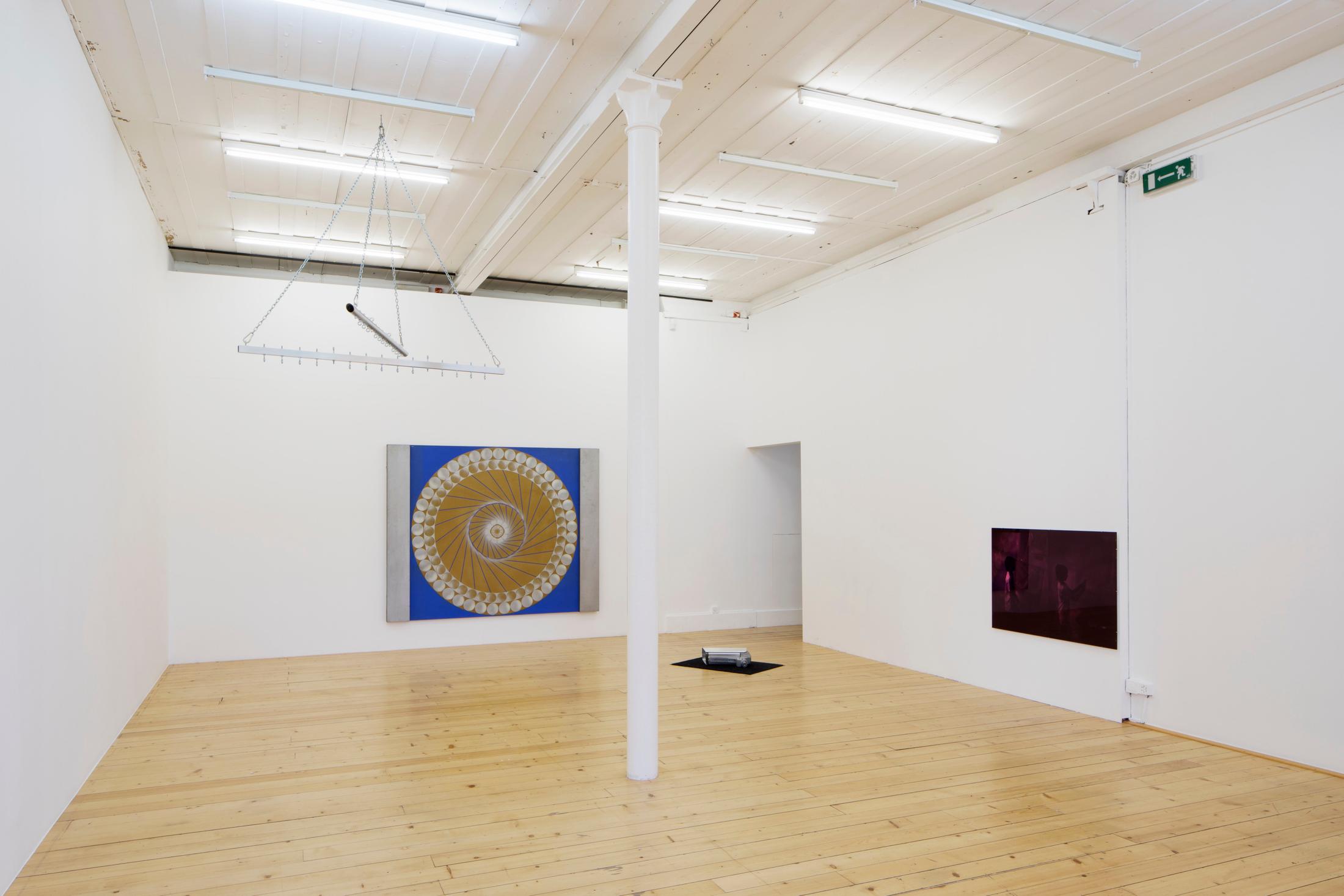
The exhibition continues on the next floor. A series of works extends an analysis advocated by the first two worlds of the fragments and the archive, but in a more symbolic way. In a first room, you face the Discoteca Analitica double, just as in the works by Catherine Christer Hennix. There’s a bug. A canvas by Willliam Burroughs represents a machine with which contact cannot be envisaged: engagement is not possible. A painting by Ye Xe evokes a task: representing the unrepresentable. The last room picks up on some of the key motifs lost between Discoteca and Analitica. The missing body in the work by Marie Ma-tusz, the body of the observing/observed child in Tobias Madison’s photographs, body of reproductions lost in a dream machine. A dialogue between a myth-making object and the sculpture by Angela Bulloch, incorporating its story, serves as a synthesis of the exhibition.
Archive themes
1. Contact is the only Love
Affects, contacts, cybernetics ...At the end of the torments of the Second World War, cybernetics, new science for the government of men and automata, had a considerable impact on a new generation of multimedia artists. The modular control of the environment it offered worked their imagination. They fantasised and produced immersive spaces that affected or conditioned visitors through electronically managed stimulation. The discotheque is the perfect example.
2. Sensorium
In the early 1960s in Palo Alto, Stewart Brand, a recent biology graduate from Stanford University, California, participated in a major study on LSD. Brand, then a photographer in the army, developed the idea of a multimedia show that would aim to better publicise, defend and spread the interests of Amerindian communities in the United States. His project America Needs Indians outgrew its initial ambitions as a documentary and became something else entirely. With the architect Zach Stewart, he imagined a modular and itinerant structure that could accommodate the productions of other collectives. These immersive multimedia shows were named Sensorium I-II-III... They made the public aware of new technological, spiritual and environmental issues. The documentation presented here reveals an imaginary anthropology of the quasi-demiurgic creation of a total multimedia machine.
3. USCO
In 1963, John Cage sent the media theorist Marshall McLuhan’s manuscript Understanding Media to the beat poet Gerd Stern. It had a big impact on him. At the time the hippie culture was coming into being in San Francisco, Stern set out to invent a poetry for the new electronic age.
4. Psychedelic Therapy
In 1960, Timothy Leary and Richard Alpert, professors in the Department of Psychology at Harvard University, ordered doses of LSD from the Basel pharmaceutical company Sandoz to further their research into the therapeutic potential of hallucinogenic drugs. In 1963, they were fired from Harvard for conducting acid tests on students. With the help of a patron, Timothy Leary and Richard Alpert moved into a sixty-four-room mansion in upstate New York. There they created the Castalia Foundation, a reference to Hermann Hesse’s educational novel, The Glass Bead Game. It offered retreats and workshops to guide people in their psychedelic experiences.
5. Same Player Shoots Again
In Brussels in 1961, Jacqueline de Jong put the idea for a magazine in English to the International Situationist committee to supplement the original International Situationiste bulletin and the German magazine Spur. The first issue of The Situationist Times appeared in 1962, although de Jong had been excluded from the group. From 1962 to 1967, the artist published six polymorphic and multilingual issues of a magazine that was to become an emblem of the counter-culture.